
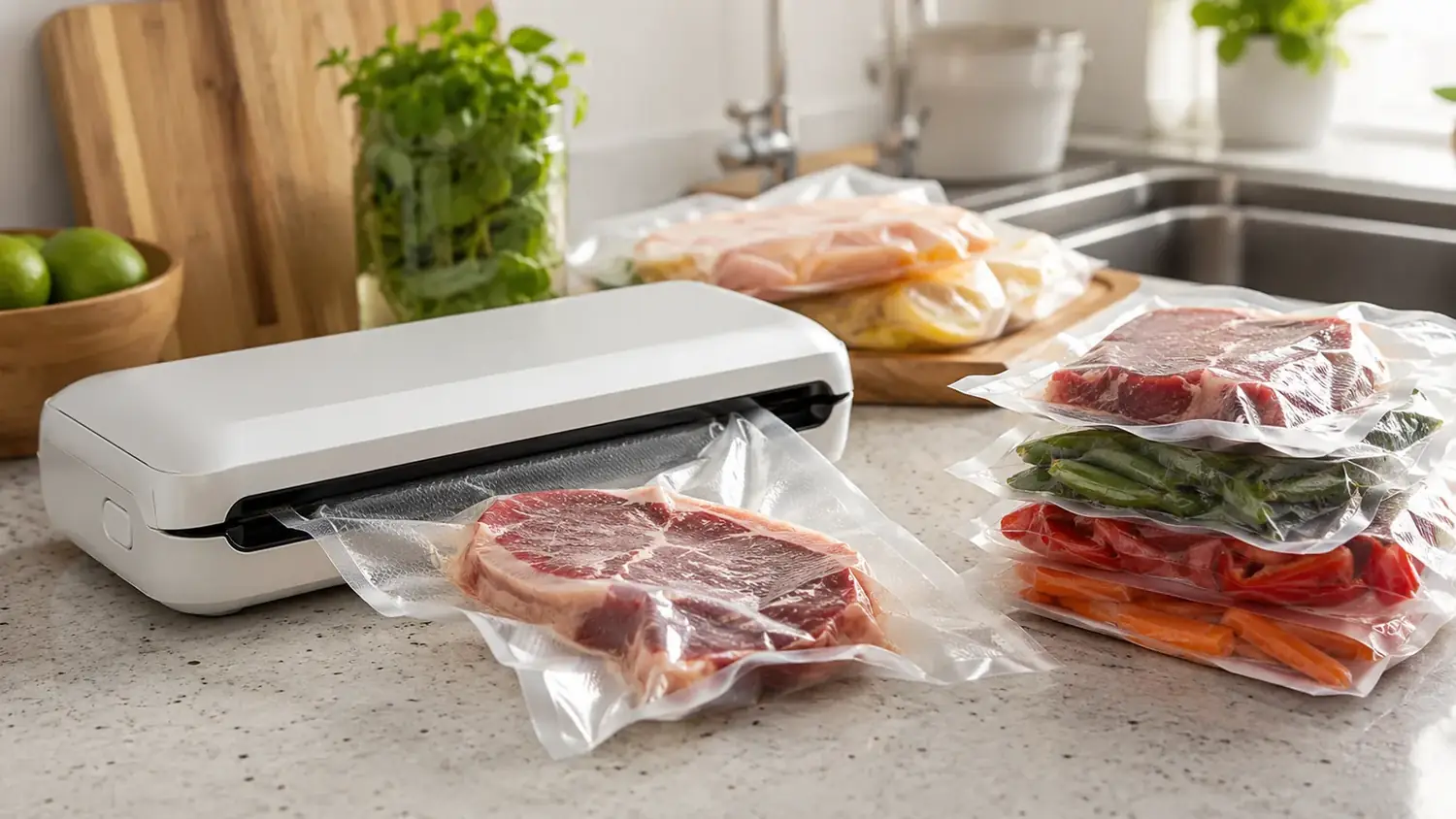
I used to think a vacuum sealer was one of those gadgets that sounded nice in the store and then sat in a drawer, right next to the dehydrator I bought during a sourdough phase. Then my grocery bill kept climbing, and I started paying closer attention to what actually left my kitchen in the trash instead of on a plate. Freezer-burned pork chops. A bag of spinach gone slimy before I could use half of it. Deli turkey that dried out on day four. I bought a FoodSaver Compact Vacuum Sealer mostly to stop the waste, and it turned out to change how I shop altogether.
None of this requires a big lifestyle overhaul. It's a machine that sits on the counter, takes about thirty seconds per bag, and quietly stops money from going in the trash can. Here are ten specific ways it's paid for itself in my kitchen, one bag at a time.
Stop Paying Full Price Twice for the Same Groceries
Once food goes to freezer burn or the trash, you've paid for it twice: once at the store, and again when you replace it. The FoodSaver Compact Vacuum Sealer stops that cycle before it starts.
Amazon Check Today's Price on Amazon →Family Packs of Meat Stop Being a Gamble
The family-size pack of chicken thighs or ground beef is almost always the better price per pound, but only if you actually use all of it before it turns. I used to split those packs into flimsy freezer bags and still lose a portion to freezer burn within a few weeks. Now I portion the whole pack into meal-size servings, vacuum seal each one, and every bit of that lower per-pound price actually makes it to the plate instead of the trash.
Freezer Burn Basically Stops Happening
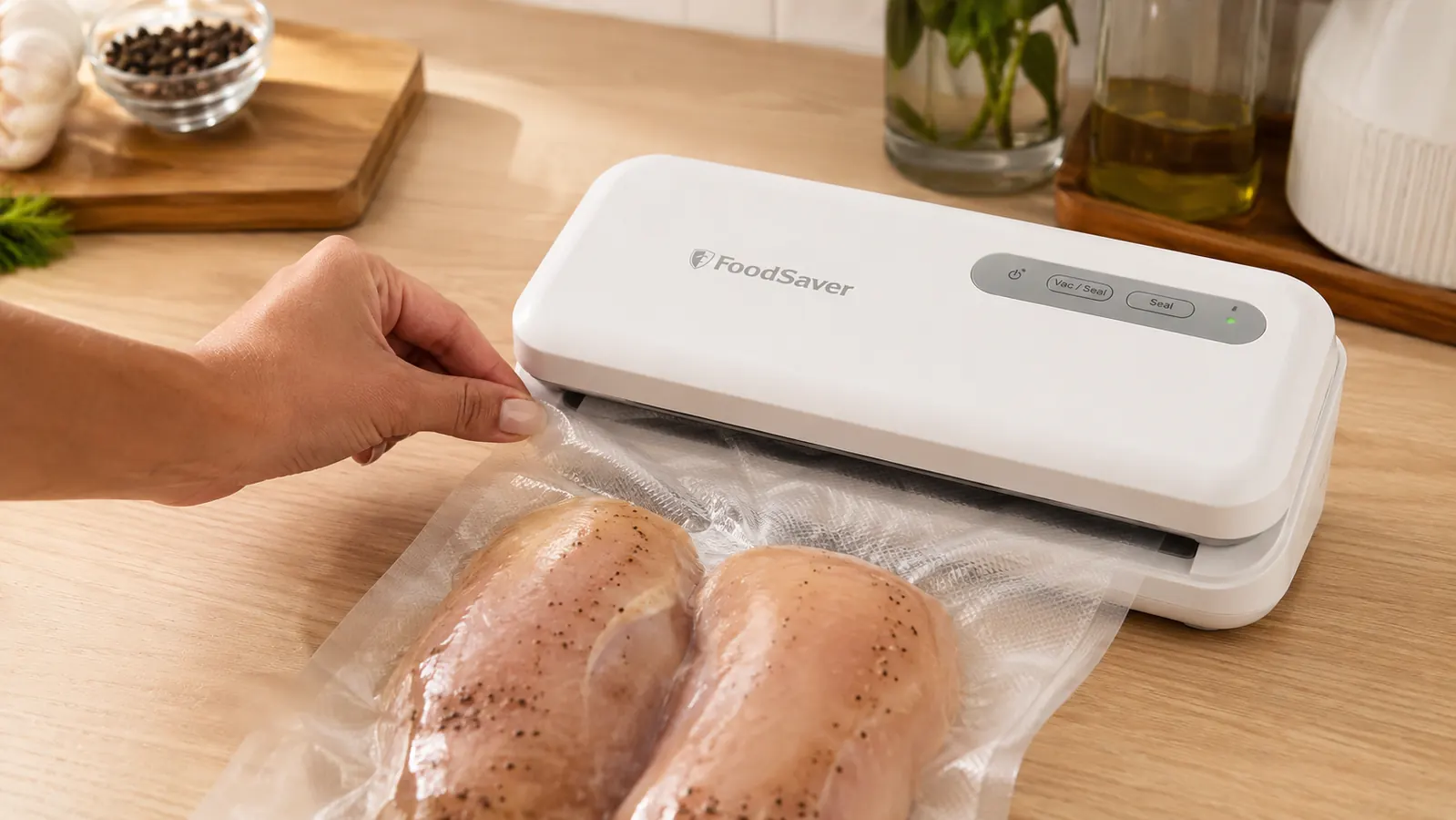
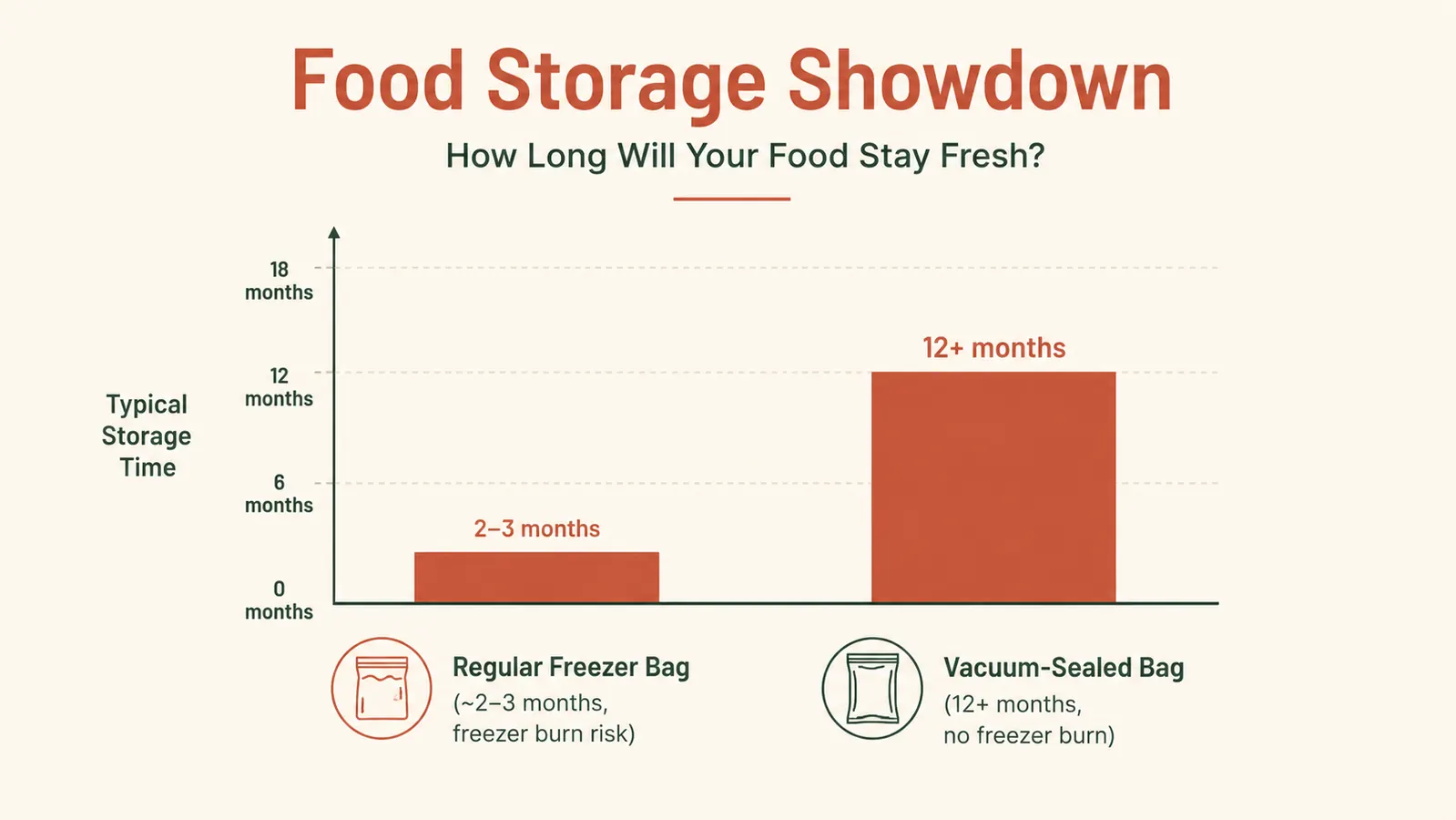
Freezer burn is just air and moisture doing damage over time, and a vacuum sealer removes almost all of the air that causes it. Meat that used to go gray and dry after two or three months in a regular freezer bag now comes out tasting fresh after nearly a year sealed. That's not a small thing when you consider how much meat costs per pound these days. Every steak that doesn't turn to leather in the back of the freezer is money you already spent, actually staying spent well.
Garden and Farmers Market Hauls Actually Last
If you grow tomatoes, peppers, or green beans, or you hit the farmers market when things are in season and cheap, you know the problem: you end up with far more than you can eat before it spoils. Blanching and vacuum sealing vegetables lets you freeze that overflow at its peak instead of watching half of it go soft on the counter. I'm eating garden tomatoes from August all the way into January now, at a fraction of what they'd cost fresh in a store.
Warehouse Club Trips Finally Make Sense
Buying in bulk only saves money if you use it all. A ten-pound bag of chicken breasts from a warehouse club is a great deal on paper, but it's a wash if a third of it goes bad before you get to it. I portion those bulk buys into vacuum-sealed bags the same day I get home, so every pound of that lower bulk price gets used instead of tossed. It's the difference between the bulk discount being real savings or just a bigger loss.
Marinating Takes Minutes Instead of Overnight
Vacuum sealing forces marinade into meat under pressure, so a chicken breast that used to need eight hours in the fridge picks up real flavor in twenty minutes. That means fewer nights grabbing an expensive pre-marinated tray at the store because I forgot to plan ahead, and fewer bottles of store-bought marinade going stale in the fridge door. A homemade marinade costs pennies compared to the seasoned cuts at the meat counter, and this closes the time gap that used to send me straight to them.
Cheese and Deli Meat Stop Drying Out Early
Cheese and sliced deli meat are two of the fastest things to go stale in a regular zip-top bag, usually within a few days of opening. Vacuum sealed, that same block of cheddar or pack of turkey stays fresh two to three times longer in the fridge. I stopped buying the small overpriced packages just to avoid waste, and started buying the larger, cheaper blocks and resealing what I don't use right away.
Sale-Priced Dry Goods Stay Sale-Priced
Flour, rice, nuts, and coffee all lose freshness once their bag is opened and exposed to air, which is exactly what tempts you into buying smaller, pricier bags more often. Vacuum sealing dry goods into smaller portions right after you open the big bag keeps the rest fresh for months. That means you can actually take advantage of a sale price on a large bag of flour or a five-pound bag of coffee beans without racing the clock before it goes stale.
Meal Prep Actually Gets Eaten
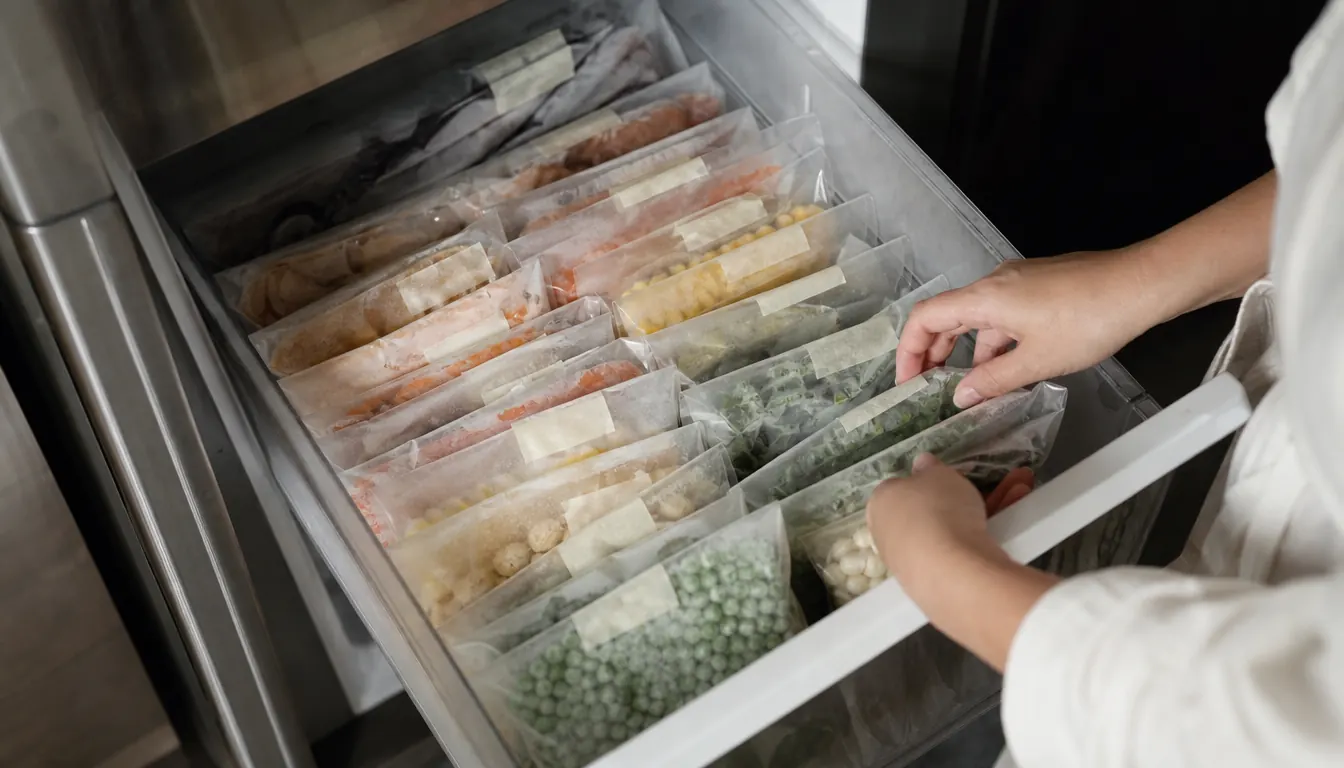
I used to batch-cook soups and casseroles on Sundays, freeze them in whatever container was clean, and forget half of them existed under a pile of ice crystals. Vacuum-sealed bags lay flat, stack neatly, and stay clearly visible and labeled in the freezer. When meal prep is easy to find and still tastes fresh, it actually gets eaten on a busy weeknight instead of getting replaced by a last-minute takeout order that costs three times as much.
Sous Vide Meals Beat Restaurant Prices
Once I started sealing seasoned cuts for sous vide cooking, restaurant-quality steak and chicken became a regular weeknight option instead of a special occasion. A good sous vide dinner at home runs a small fraction of what the same cut would cost at a steakhouse, and the vacuum sealer is the piece that makes sous vide cooking work in the first place. That's real savings stacked on top of the freezer savings, from the same machine.
Fewer Bags and Containers Add Up Too
This one's smaller but it's still real money. Vacuum seal bags are reusable if you're careful with them, rinse and reuse a few times before it's a wash. I've cut way back on buying disposable zip-top bags and single-use containers I was replacing constantly. It's not the biggest line item on this list, but between the freezer savings, the bulk buying, and fewer trips to restock bags, the machine has more than paid for its own cost several times over by now.
What I'd Skip
If you live alone and rarely cook in batches, a full-size vacuum sealer might be more machine than you need, a set of reusable silicone bags could cover you just fine. And if you're not someone who buys in bulk or has garden overflow to deal with, the savings shrink fast since the whole value here comes from using more of what you already bought. This isn't a gadget that saves you money sitting in a drawer. It only works if you actually use it.
The savings never showed up as one big number. They showed up as everything I used to throw away.
Ready to Stop Throwing Money Away With the Leftovers?
The FoodSaver Compact Vacuum Sealer holds a 4.2-star rating across nearly 16,000 reviews. Check today's price and see how much of your grocery budget has been going straight to the trash.
Amazon Check Today's Price on Amazon →